







NAD+ stands for nicotinamide adenine dinucleotide. It is a coenzyme found in every living cell and is essential for life.
At its core, NAD+ is a molecule that helps your cells produce energy. It plays a central role in converting nutrients from food into ATP, which is the primary energy currency your body uses for everything from muscle contraction to brain function.
NAD+ works mainly in two ways:
First, it acts as an electron carrier in redox reactions. During processes like glycolysis, the Krebs cycle, and oxidative phosphorylation, NAD+ accepts electrons and becomes NADH. This electron transfer is critical for producing ATP inside the mitochondria.
Second, NAD+ acts as a substrate for important enzymes such as sirtuins and PARPs. These enzymes are involved in DNA repair, cellular stress resistance, gene expression regulation, and metabolic control. Because of this, NAD+ is not just about energy. It is also tied to cellular health and longevity.
In simple terms, NAD+ is a fundamental molecule that helps your cells create energy, repair damage, and maintain proper metabolic function.
Why it matters to a bodybuilder.
NAD+ has gained significant attention in the bodybuilding community for its potential to support energy production, recovery, and long term performance. From a physique and performance standpoint, it offers several compelling advantages.
NAD+ plays a central role in cellular energy metabolism. It is essential for the production of ATP, the molecule that fuels muscle contraction. Higher NAD+ availability supports more efficient energy transfer within the mitochondria, which can contribute to improved workout output, better endurance during high volume sessions, and stronger performance across demanding training cycles.
It also supports mitochondrial health. For bodybuilders, healthy mitochondria mean better cellular efficiency, improved muscular stamina, and enhanced resilience under heavy training loads. As training intensity increases, mitochondrial function becomes even more important for sustaining progress.
NAD+ is closely connected to muscle recovery. It activates sirtuins, proteins involved in cellular repair and stress adaptation. This can support faster recovery between sessions, improved management of oxidative stress, and better adaptation to resistance training. Efficient recovery allows for higher training frequency and more consistent muscle building over time.
Another benefit is its role in healthy aging and hormonal optimization. NAD+ levels naturally decline with age, and maintaining optimal levels may help support metabolic health and maintain training capacity over the long term. For bodybuilders focused on longevity in the sport, this is particularly appealing.
NAD+ also contributes to improved metabolic flexibility. It supports efficient nutrient utilization, which may enhance the body’s ability to use carbohydrates and fats effectively during different training phases such as bulking or cutting. Better nutrient partitioning can support lean mass retention while minimizing unwanted fat gain.
In addition, NAD+ is involved in DNA repair and cellular protection. Resistance training places stress on the body at the cellular level, and robust repair mechanisms are essential for adaptation and growth. Supporting these processes can help maintain muscle tissue quality and overall cellular integrity.
Overall, from a bodybuilding perspective, NAD+ is valued for its role in energy production, recovery support, mitochondrial function, metabolic efficiency, and long term performance sustainability. These factors align closely with the goals of muscle growth, strength progression, and maintaining peak physical condition over time.
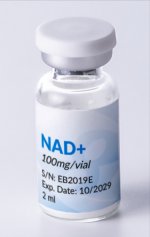
CLICK TO SHOP
At its core, NAD+ is a molecule that helps your cells produce energy. It plays a central role in converting nutrients from food into ATP, which is the primary energy currency your body uses for everything from muscle contraction to brain function.
NAD+ works mainly in two ways:
First, it acts as an electron carrier in redox reactions. During processes like glycolysis, the Krebs cycle, and oxidative phosphorylation, NAD+ accepts electrons and becomes NADH. This electron transfer is critical for producing ATP inside the mitochondria.
Second, NAD+ acts as a substrate for important enzymes such as sirtuins and PARPs. These enzymes are involved in DNA repair, cellular stress resistance, gene expression regulation, and metabolic control. Because of this, NAD+ is not just about energy. It is also tied to cellular health and longevity.
In simple terms, NAD+ is a fundamental molecule that helps your cells create energy, repair damage, and maintain proper metabolic function.
Why it matters to a bodybuilder.
NAD+ has gained significant attention in the bodybuilding community for its potential to support energy production, recovery, and long term performance. From a physique and performance standpoint, it offers several compelling advantages.
NAD+ plays a central role in cellular energy metabolism. It is essential for the production of ATP, the molecule that fuels muscle contraction. Higher NAD+ availability supports more efficient energy transfer within the mitochondria, which can contribute to improved workout output, better endurance during high volume sessions, and stronger performance across demanding training cycles.
It also supports mitochondrial health. For bodybuilders, healthy mitochondria mean better cellular efficiency, improved muscular stamina, and enhanced resilience under heavy training loads. As training intensity increases, mitochondrial function becomes even more important for sustaining progress.
NAD+ is closely connected to muscle recovery. It activates sirtuins, proteins involved in cellular repair and stress adaptation. This can support faster recovery between sessions, improved management of oxidative stress, and better adaptation to resistance training. Efficient recovery allows for higher training frequency and more consistent muscle building over time.
Another benefit is its role in healthy aging and hormonal optimization. NAD+ levels naturally decline with age, and maintaining optimal levels may help support metabolic health and maintain training capacity over the long term. For bodybuilders focused on longevity in the sport, this is particularly appealing.
NAD+ also contributes to improved metabolic flexibility. It supports efficient nutrient utilization, which may enhance the body’s ability to use carbohydrates and fats effectively during different training phases such as bulking or cutting. Better nutrient partitioning can support lean mass retention while minimizing unwanted fat gain.
In addition, NAD+ is involved in DNA repair and cellular protection. Resistance training places stress on the body at the cellular level, and robust repair mechanisms are essential for adaptation and growth. Supporting these processes can help maintain muscle tissue quality and overall cellular integrity.
Overall, from a bodybuilding perspective, NAD+ is valued for its role in energy production, recovery support, mitochondrial function, metabolic efficiency, and long term performance sustainability. These factors align closely with the goals of muscle growth, strength progression, and maintaining peak physical condition over time.
CLICK TO SHOP